1. Describe what you see
Start by telling Winooski Biohazard Cleanup Help about the containers, the smell, the location and anyone who has been exposed. The answers shape the plan.
Winooski, VT · Chittenden County
Found unlabeled jugs, drums or old products in Winooski? Do not open or move them. Call (877) 812-4220. Crews sort the containers, remove hazardous waste and clean the surfaces they touched.
If anyone is in danger, call 911 first. For a suicide crisis, call or text 988.
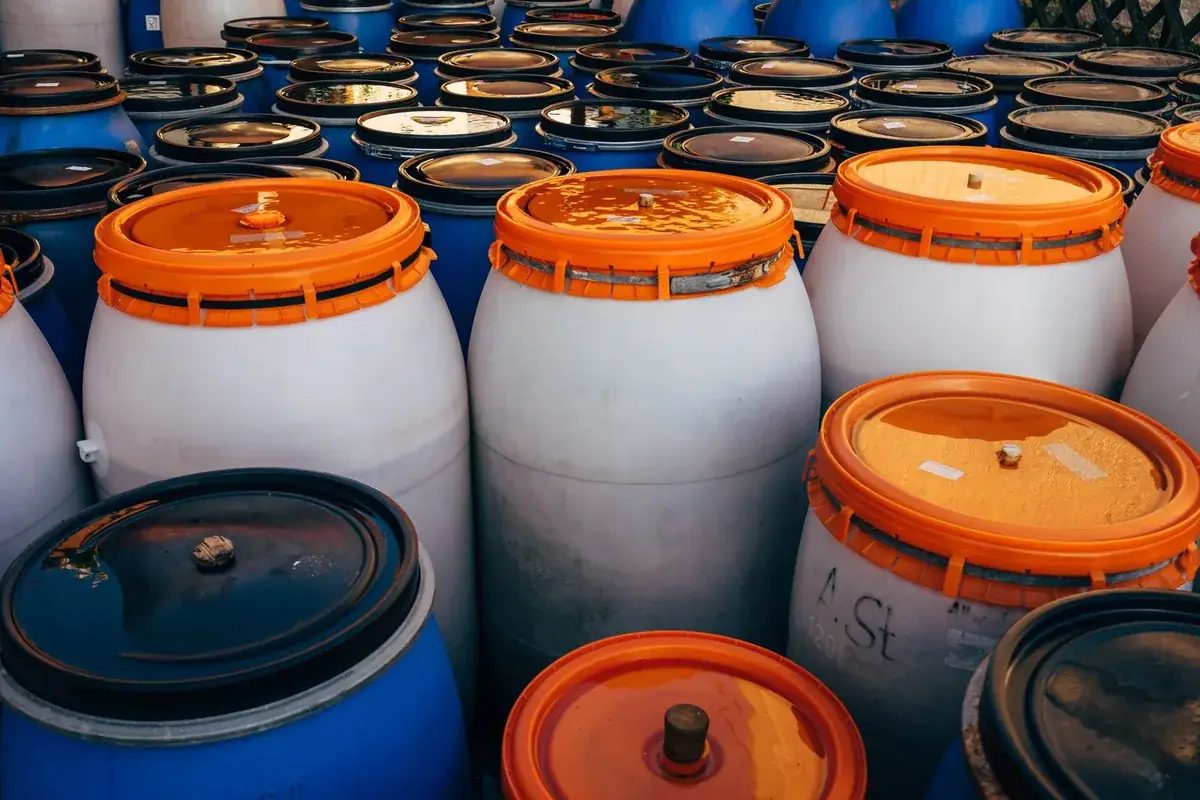
Toxic waste is any discarded material that can poison people, animals or the environment. Cleaning it up means finding what it is, keeping it from spreading and removing it by a safe and lawful route.
When your Winooski property has chemical waste that nobody should touch, you get a team with the gear, absorbents and containers to finish the job safely. Call Winooski Biohazard Cleanup Help, and you get plain answers and documentation.
Fewer homes in Chittenden County sit empty, so chemical calls tend to come from occupied properties with leaking garage or shed containers. River flood risk in Chittenden County is rated Relatively Moderate by FEMA, which is a reminder to keep chemical containers off the floor and away from drains.
Chemical & Toxic Waste Cleanup in Winooski usually includes:
Start by telling Winooski Biohazard Cleanup Help about the containers, the smell, the location and anyone who has been exposed. The answers shape the plan.
Products are separated by type, such as flammables, corrosives and poisons. Leaking containers are placed in secondary containment right away.
Stained concrete, soaked wood and contaminated fabric are cleaned or removed. The crew rinses and treats tools and surfaces according to the maker's data sheet.
Waste is hauled and the owner receives a list of what was removed. The team explains what to keep for insurers, buyers or inspectors.
The cost of chemical & toxic waste cleanup in Winooski, VT depends on the amount of material, how it is packed and how it is hauled.
Protective gear is part of the total. Higher-hazard substances call for more serious equipment, and disposable suits, respirators and tools are used up during the job.
| Type of job | Typical range |
|---|---|
| Hazardous chemicals | $30 - $50 per barrel |
Estimates only, not a quote. Sources: Fixr. Price drivers include type of chemical, amount, packaging and transport, disposal fees. Call (877) 812-4220 to talk through the job.
Do not open, move or smell them. Keep people and pets away and take photos from a safe distance. A cleanup team can identify the contents, sort them by hazard and set up lawful disposal.
Get everyone away from the area, including pets. Call 911 if anyone is in danger, or Poison Control with exposure questions. Do not touch unknown containers or try to wash a spill away. Then call a cleanup team for next steps.
Biological hazards come from living things, such as bacteria, viruses and body fluids. Chemical hazards come from substances like solvents, acids, fuels and pesticides. They need different gear, products and disposal, and some jobs involve both.
Some products release toxic gas when combined. Bleach and ammonia are a well-known example. Never mix products to clean a spill, and leave the area if you smell fumes.
Small spills of familiar household products may be manageable with the label's directions. Unknown, large or hazardous spills are not. Never mix products. If in doubt, leave the area, keep people and pets out and call 911 or Poison Control.
Chemicals can irritate or burn skin and eyes, harm the lungs and poison people who swallow them. Some give off fumes or catch fire. Call 911 in an emergency and Poison Control for exposure questions, and tell them the product name if known.
Day or night, the call starts with safety.
Call (877) 812-4220